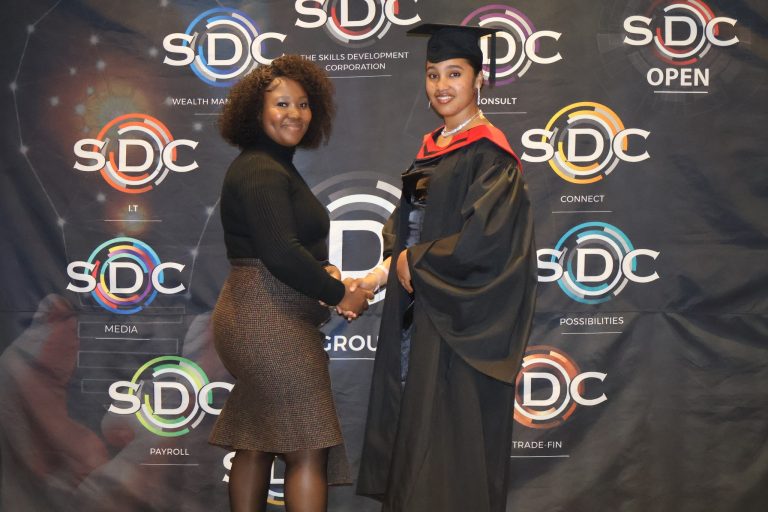
For many unemployed young South Africans, finding a job without experience can feel almost impossible. That is why learnership programmes continue to be one of the best ways to build skills, gain workplace exposure, and earn a monthly stipend at the same time. One of the programmes attracting attention in 2026 is the SDCorp Accredited Learnership Programme.
SDCorp offers nationally recognised learnerships designed to help young people gain qualifications and practical experience in growing industries such as administration, IT, finance, cybersecurity, office support, and project management. These programmes are especially valuable because they combine classroom learning with real workplace training, giving learners a better chance of securing permanent employment after completion.
If you want to know the SDCorp learnership salary in 2026, who qualifies, how to apply, and which careers offer the highest earning potential, this guide explains everything in simple terms.
SDCorp Learnership Salary and Monthly Stipend 2026
One of the biggest reasons many young people apply for learnerships is the opportunity to earn while learning. Although learnerships are not full-time permanent jobs, learners usually receive a monthly stipend to help cover transport, food, and daily expenses.
The exact SDCorp stipend amount depends on the qualification level, employer placement, and industry sector.
Estimated Monthly Stipend in 2026
| Learnership Field | Estimated Monthly Stipend |
|---|---|
| Business Administration | R3,500 – R5,500 |
| Office Administration | R3,500 – R5,000 |
| Information Technology | R5,000 – R8,500 |
| Cybersecurity & Cloud Administration | R6,000 – R10,000 |
| Insurance & Wealth Management | R4,500 – R7,500 |
| Project Management | R5,000 – R8,000 |
| Supply Chain & Logistics | R4,500 – R7,000 |
| Security & Safety | R3,500 – R6,000 |
Some employers may also provide additional support such as transport allowances, data allowances, meals, or workplace equipment.
Which Learnership Career Pays the Most?
Technology-related learnerships continue to offer the highest salary growth in South Africa. Careers in cybersecurity, cloud computing, and IT support are in high demand as businesses move more operations online.
Salary Growth: Entry-Level vs Experienced Workers
| Career Field | Entry-Level Salary | Experienced Salary |
|—|—|
| Office Administrator | R8,000 – R12,000 | R18,000 – R25,000 |
| Business Administrator | R10,000 – R15,000 | R25,000 – R40,000 |
| IT Support Technician | R12,000 – R18,000 | R30,000 – R50,000 |
| Cybersecurity Specialist | R18,000 – R30,000 | R45,000 – R80,000+ |
| Supply Chain Coordinator | R12,000 – R20,000 | R35,000 – R60,000 |
| Insurance Consultant | R10,000 – R18,000 | R30,000 – R55,000 |
Cybersecurity and cloud administration currently offer some of the fastest salary growth opportunities in South Africa due to the shortage of skilled professionals.
What Is the SDCorp Learnership Programme?
The SDCorp Accredited Learnership Programme is a structured training programme designed to help unemployed South Africans gain both theoretical education and workplace experience.
Unlike short online courses, these learnerships are officially registered on the National Qualifications Framework (NQF). This means learners receive qualifications recognised across South Africa.
The programme usually runs for 12 months and includes:
- Classroom-based learning
- Practical workplace training
- Assessments and assignments
- Industry exposure
- Mentorship and support
- Accredited certification after completion
Because the qualifications are accredited by recognised South African authorities, learners can use them to apply for jobs, internships, or even continue studying further qualifications.
Popular SDCorp Learnership Categories in 2026
SDCorp offers learnerships in multiple industries to meet the growing demand for skilled workers.
Business Administration and Management
This field teaches communication, administration, teamwork, office systems, and customer service. It is ideal for people interested in office careers.
Information Technology and Systems Development
IT learnerships focus on computer systems, technical support, software basics, networking, and digital operations.
Cybersecurity and Cloud Administration
This is one of the fastest-growing career sectors in South Africa. Learners gain skills in online security, data protection, cloud platforms, and cyber risk management.
Insurance and Wealth Management
These programmes prepare learners for careers in insurance sales, customer support, financial services, and policy administration.
Project Management and Supply Chain
Learners gain practical knowledge in logistics, planning, stock management, procurement, and business coordination.
Office Administration and Bookkeeping
This category focuses on administration systems, financial records, filing, and office support duties.
Key Responsibilities During the Learnership
Although responsibilities differ depending on the field, learners are generally expected to:
- Attend all training sessions
- Complete assignments and assessments
- Participate in workplace activities
- Maintain professional behaviour
- Work with supervisors and mentors
- Learn company systems and procedures
- Follow workplace rules and deadlines
- Build practical industry skills
- Communicate effectively with colleagues and clients
Learners who show professionalism and dedication often improve their chances of being offered permanent positions.
Minimum Requirements for SDCorp Learnerships
To apply for most SDCorp learnership programmes in 2026, applicants usually need to meet the following requirements:
Basic Requirements
- Must be a South African citizen
- Must be between 18 and 28 years old
- Must be unemployed
- Must be available for the full programme duration
- Must be willing to complete practical training
- Must have a valid South African ID
Education Requirements
Depending on the programme, applicants may need:
- Grade 10
- Grade 11
- Grade 12 (Matric)
Some technical programmes may require Mathematics or Computer Studies.
Additional Advantages That Improve Your Chances
Although not always mandatory, these factors can improve your chances of selection:
- Basic computer skills
- Good communication abilities
- Strong English reading and writing skills
- Positive attitude
- Previous volunteering experience
- Ability to work in a team
- Willingness to learn
- Reliable transport arrangements
Applicants living with disabilities are also encouraged to apply for many programmes.
Benefits of Joining the SDCorp Learnership Programme
Many young people see learnerships as a stepping stone toward long-term employment and financial stability.
Gain Real Work Experience
One of the biggest challenges for job seekers is lack of experience. Learnerships help solve this problem by giving learners workplace exposure.
Earn While Studying
Instead of studying without income, learners receive a monthly stipend during the programme.
Receive an Accredited Qualification
Learners obtain nationally recognised qualifications that can improve future job opportunities.
Improve Employability
Many employers prefer candidates with workplace experience and practical training.
Networking Opportunities
Learners get the opportunity to meet professionals, mentors, and potential future employers.
Pathway to Permanent Employment
Some companies hire successful learners permanently after completion.
Step-by-Step Guide: How to Apply for SDCorp Learnerships 2026
Applying for a learnership is usually simple, but attention to detail is important.
Step 1: Prepare Your Documents
Before applying, make sure all your documents are updated and certified.
Step 2: Create a Professional CV
Your CV should clearly include:
- Personal details
- Education history
- Skills
- Work experience (if any)
- Contact information
Keep it neat and easy to read.
Step 3: Join the Learner Database
Applicants usually submit their information online to join the SDCorp learner sourcing pool.
Step 4: Wait for Verification
Applications are reviewed to confirm eligibility and qualification requirements.
Step 5: Shortlisting Process
Successful candidates may receive phone calls, emails, or interview invitations.
Step 6: Placement and Enrolment
Selected learners are placed with employers and officially enrolled in the programme.
Required Documents for Application
Applicants commonly need the following:
- Certified copy of South African ID
- Updated CV
- Certified Matric certificate or latest school results
- Proof of residence
- Qualification certificates (if applicable)
- Disability proof (if applying under disability programmes)
Make sure documents are clear and not older than three months if certification is required.
CV Tips to Increase Your Chances of Selection
Competition for learnerships can be very high. A strong CV can make a major difference.
Keep Your CV Short and Professional
Avoid long paragraphs and unnecessary information.
Include Relevant Skills
Mention skills such as:
- Communication
- Microsoft Office
- Teamwork
- Problem-solving
- Customer service
Use a Professional Email Address
Avoid informal email names.
Check for Spelling Errors
Small mistakes can create a bad impression.
Learnership Interview Tips
If shortlisted for an interview, preparation matters.
Research the Programme
Understand the type of work and training involved.
Dress Professionally
Even simple neat clothing can create a strong impression.
Show Willingness to Learn
Employers value positive attitudes and motivation.
Arrive Early
Punctuality shows professionalism.
Speak Clearly and Confidently
Good communication skills improve your chances.
Career Opportunities After Completing the Programme
Completing an SDCorp learnership can open doors in several industries.
Possible career opportunities include:
- Administrative Assistant
- Office Clerk
- IT Support Technician
- Help Desk Consultant
- Junior Cybersecurity Analyst
- Insurance Consultant
- Supply Chain Administrator
- Project Coordinator
- Customer Service Agent
- Data Capturer
Some learners also continue studying advanced qualifications after completing their programmes.
Future Salary Growth in South Africa
South Africa’s digital economy is growing rapidly, especially in technology and business support sectors. This means qualified workers with practical experience are becoming more valuable.
Workers who continue improving their skills can eventually earn:
- R20,000+ in administration and management
- R35,000+ in logistics and project management
- R50,000+ in cybersecurity and cloud computing
- R60,000+ in senior IT positions
Continuous learning and certifications can significantly increase earning potential over time.
Frequently Asked Questions (FAQs)
1. Does SDCorp pay a monthly stipend?
Yes. Most learnerships provide a monthly stipend to help learners with transport and living expenses.
2. Can I apply without Matric?
Some programmes accept applicants with Grade 10 or Grade 11, depending on the qualification requirements.
3. How long does the learnership last?
Most SDCorp learnerships run for approximately 12 months.
4. Are the qualifications recognised in South Africa?
Yes. The programmes are accredited and registered on the National Qualifications Framework (NQF).
5. Can disabled applicants apply?
Yes. Many learnership opportunities are open to both able-bodied applicants and persons living with disabilities.
6. Is there an age limit?
Most programmes target applicants between 18 and 28 years old.
7. Can a learnership lead to permanent employment?
Yes. Some learners receive permanent job offers after successfully completing their training and workplace experience.
Final Thoughts on SDCorp Learnerships 2026
The SDCorp Accredited Learnership Programme offers an excellent opportunity for young South Africans who want to gain qualifications, practical work experience, and monthly income while building a career.
With industries such as IT, cybersecurity, administration, logistics, and finance continuing to grow in 2026, learnerships can provide a valuable pathway into stable employment and higher future earnings.
If you meet the requirements, prepare your documents early, improve your CV, and apply as soon as opportunities become available. Thousands of applicants compete for these programmes every year, so applying quickly and professionally can improve your chances of success.